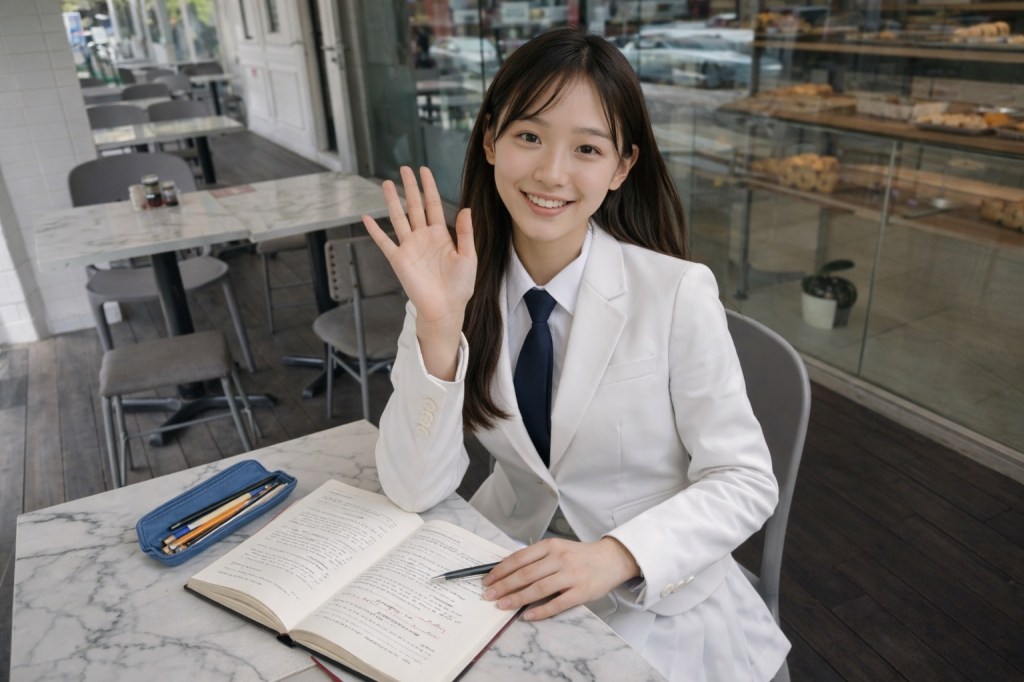
How Do Tutors in Bukit Timah Handle Students with Different Learning Styles?
“Probably with the same finesse a juggler handles flaming torches—carefully, while praying nothing catches fire”-BukitTimahTutor.com
Every student learns differently, and effective tuition programs must cater to a variety of learning styles. Tutors in Bukit Timah are highly skilled at identifying and adapting to individual learning preferences, ensuring each student achieves their academic potential. This guide explores how tutors in Bukit Timah handle different learning styles and provide tailored support.
What Are the Main Learning Styles?
1. Visual Learners
- Characteristics: Learn best through visual aids such as diagrams, charts, and videos.
- Preferred Methods: Illustrations, color-coded notes, and mind maps.
2. Auditory Learners
- Characteristics: Retain information better through listening and verbal discussions.
- Preferred Methods: Lectures, discussions, and audio recordings.
3. Kinesthetic Learners
- Characteristics: Learn best through hands-on activities and physical engagement.
- Preferred Methods: Experiments, role-playing, and practical examples.
4. Reading/Writing Learners
- Characteristics: Excel by reading written text and writing down information.
- Preferred Methods: Textbooks, note-taking, and essays.
How Bukit Timah Tutors Adapt to Different Learning Styles
1. Diagnostic Assessments
- Tutors use initial assessments to identify each student’s learning style and challenges.
- Observations during lessons help refine teaching methods over time.
2. Customizing Teaching Techniques
- Visual Learners: Use slides, flowcharts, and graphical representations to explain concepts.
- Auditory Learners: Engage in verbal explanations, discussions, and repetition of key points.
- Kinesthetic Learners: Incorporate hands-on activities, real-life scenarios, and movement-based tasks.
- Reading/Writing Learners: Provide reading materials, encourage note-taking, and assign written exercises.
3. Mixed-Approach Strategies
- Most tutors use a combination of teaching methods to cater to multiple learning styles in group classes.
- Adapt lessons dynamically to engage all students effectively.
Examples of Learning Style Adaptation in Bukit Timah Tuition
1. English
- Visual Learners: Mind maps for essay structure.
- Auditory Learners: Listening exercises and class discussions.
- Kinesthetic Learners: Role-playing to practice oral communication.
- Reading/Writing Learners: Annotating comprehension passages and essay practice.
2. Mathematics
- Visual Learners: Graphs, charts, and visual problem-solving examples.
- Auditory Learners: Step-by-step verbal explanations of formulas.
- Kinesthetic Learners: Using physical tools like blocks for geometry.
- Reading/Writing Learners: Detailed written solutions and practice problems.
3. Science
- Visual Learners: Diagrams of experiments and concepts.
- Auditory Learners: Verbal descriptions of processes.
- Kinesthetic Learners: Hands-on experiments and practical applications.
- Reading/Writing Learners: Detailed lab reports and reading materials.
Benefits of Adapting to Learning Styles
1. Improved Engagement
Students are more likely to stay focused when lessons align with their natural learning preferences.
2. Better Retention
Teaching methods that resonate with a student’s learning style help them retain information more effectively.
3. Increased Confidence
Students gain confidence when they understand material in a way that makes sense to them.
The types of teaching styles of Bukit Timah Tutors
Tutors employ a variety of teaching styles to cater to the diverse learning needs of students. Below are the primary teaching styles tutors use, along with their characteristics and benefits:
1. The Direct Instruction Style
- Characteristics:
- Focuses on explicit teaching of concepts and procedures.
- The tutor delivers content in a structured and straightforward manner.
- Often involves lectures, demonstrations, and step-by-step explanations.
- Best For:
- Students needing clear, guided instruction.
- Subjects like mathematics, science, and grammar where procedural understanding is key.
- Example: A tutor solving a math problem on a whiteboard while explaining each step.
2. The Socratic Method
- Characteristics:
- Encourages critical thinking through questioning.
- The tutor asks guiding questions to help students discover answers themselves.
- Promotes dialogue and exploration rather than direct answers.
- Best For:
- Developing analytical and problem-solving skills.
- Subjects like philosophy, literature, and debate.
- Example: Asking a student, “Why do you think the author used this metaphor here?” in a literature class.
3. The Facilitative Style
- Characteristics:
- The tutor acts as a guide rather than a provider of information.
- Focuses on helping students explore and connect ideas on their own.
- Encourages independence and active participation.
- Best For:
- Subjects requiring creativity, like writing and the arts.
- Encouraging self-directed learning.
- Example: Helping a student brainstorm ideas for an essay and guiding them to refine their arguments.
4. The Demonstrator Style (Show and Tell)
- Characteristics:
- Combines explanation with visual or practical demonstrations.
- Involves multimedia, experiments, or real-life examples to clarify concepts.
- Enhances understanding through observation.
- Best For:
- Visual and hands-on learners.
- Science experiments, art techniques, or software tutorials.
- Example: Demonstrating how a chemical reaction occurs in a lab session.
5. The Collaborative Style
- Characteristics:
- Encourages group work and peer-to-peer learning.
- The tutor facilitates discussions and teamwork activities.
- Fosters communication and cooperative problem-solving.
- Best For:
- Group tuition settings or collaborative projects.
- Subjects like social studies, science experiments, or group writing tasks.
- Example: Assigning roles in a team project to explore environmental conservation strategies.
6. The Hands-On or Kinesthetic Style
- Characteristics:
- Learning by doing through activities, experiments, and real-world applications.
- Emphasizes tactile and physical involvement.
- Engages students who learn better through movement and touch.
- Best For:
- Subjects like science labs, engineering, or arts and crafts.
- Example: Building a model to demonstrate engineering principles.
7. The Personalized Style
- Characteristics:
- Tailors lessons to the student’s individual needs, pace, and interests.
- Often involves diagnostic assessments to identify strengths and weaknesses.
- Adjusts strategies based on the student’s learning style.
- Best For:
- Students with unique learning needs, including those with learning disabilities.
- One-on-one tutoring environments.
- Example: A tutor creating a custom study plan for a student preparing for PSLE.
8. The Inquiry-Based Style
- Characteristics:
- Encourages curiosity and exploration.
- Students are guided to ask questions and investigate answers.
- Focuses on developing research and discovery skills.
- Best For:
- Subjects like science, history, and geography.
- Developing critical thinking and independent learning.
- Example: Assigning students to research and present on renewable energy sources.
9. The Hybrid (Blended) Style
- Characteristics:
- Combines multiple teaching styles to adapt to diverse student needs.
- Balances structure with flexibility and incorporates various tools.
- Often integrates technology, such as online resources and interactive platforms.
- Best For:
- Mixed-ability groups or students with varied learning preferences.
- Subjects requiring diverse approaches, like language learning.
- Example: Using flashcards, videos, and quizzes to teach vocabulary.
10. The Coaching Style
- Characteristics:
- Focuses on motivation and skill-building rather than purely academic content.
- Tutors act as mentors, emphasizing goals, self-discipline, and confidence.
- Encourages students to take ownership of their learning journey.
- Best For:
- Students preparing for high-stakes exams or seeking personal growth.
- Soft skills development, like time management or study techniques.
- Example: Setting weekly study goals and providing feedback on progress.
11. The Technology-Integrated Style
- Characteristics:
- Incorporates technology such as apps, simulations, and online platforms.
- Emphasizes interactive and multimedia-based learning.
- Enables remote learning and access to global resources.
- Best For:
- Tech-savvy learners and online tutoring environments.
- Subjects like coding, digital design, or e-learning.
- Example: Using an online whiteboard and video tutorials in a virtual math class.
12. The Drill-and-Practice Style
- Characteristics:
- Repetition and reinforcement of skills through practice.
- Focuses on mastering fundamentals, like arithmetic or grammar rules.
- Often involves exercises, quizzes, and rote learning.
- Best For:
- Subjects requiring memorization and foundational skills.
- Students preparing for standardized tests.
- Example: Assigning daily practice problems for math proficiency.
Each teaching style has its strengths and is chosen based on the subject, the learner’s needs, and the learning environment. The most effective tutors often blend these styles to create a dynamic and adaptive approach to teaching.
FAQs About Learning Styles and Tuition in Bukit Timah
1. How do tutors identify a student’s learning style?
Tutors use diagnostic tests, classroom observations, and discussions with parents to identify learning preferences.
2. Can tutors adapt to multiple learning styles in one class?
Yes, experienced tutors use mixed strategies to cater to all students in a group setting.
3. Are lessons personalized for one-on-one tuition?
Absolutely. In one-on-one sessions, lessons are fully tailored to the student’s learning style and needs.
 Bukit Timah Tutor Secondary Mathematics