
Complete Guide to PSLE Mathematics Examinations Preparation 2026
Start Here for our Primary Tuition: Primary Math Tutor
Primary 6 is different from every other year: your child is still learning and consolidating maths while training for a national exam with fixed time pressure.
In 2026, the 2021 Primary Mathematics Syllabus applies to Primary 6 (it previously applied to Primary 1–5 while Primary 6 used the 2013 syllabus).
That means parents should expect more emphasis on deep understanding, problem solving, representations (like diagrams/bar models), and metacognition—not just speed and drills.
For parents who want a clear plan: treat the year as 3 phases—
(1) rebuild foundations fast,
(2) upgrade to PSLE-style application,
(3) stabilise performance under timed conditions.
The aim is to prevent “mark leakage” from careless errors, weak working, and inconsistent checking—because that’s often what blocks strong students from AL1.
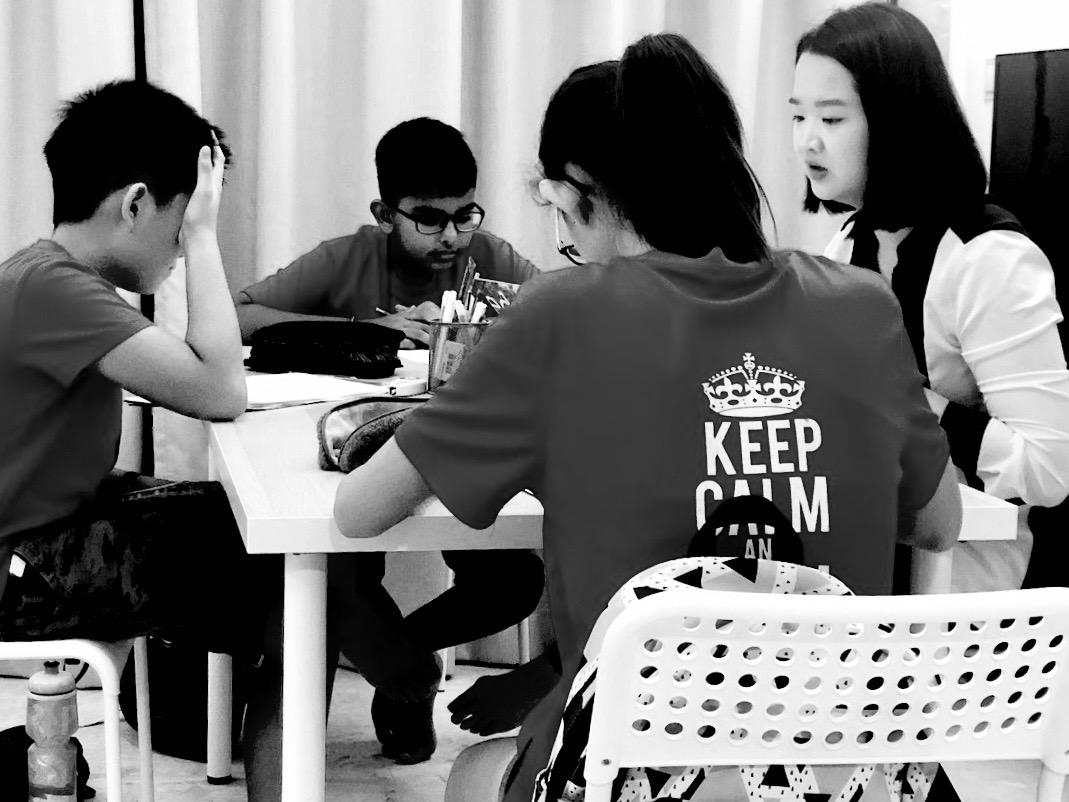
The 3 Stages of PSLE Examinations Prep Work
For parents seeking a straightforward plan to help their child achieve AL1 in PSLE Math, divide the Primary 6 year into three focused phases aligned with the MOE school calendar.
Phase 1 (January to May/June): Rebuild foundations fast. Start the year by quickly diagnosing and fixing gaps from Primary 5 topics like advanced fractions, ratios, percentages, and geometry.
Use diagnostic tests, topical worksheets, and daily short sessions (30-45 minutes) to reinforce basics with visuals like bar models.
This phase exploits school Terms 1 and 2, including revision during March holidays, ensuring strong relational understanding before new P6 concepts (e.g., algebra, circles) intensify—preventing cumulative weaknesses that derail AL1 aspirations.
Phase 2 (June to August/September): Upgrade to PSLE-style application. Post-June holidays and into Term 3, shift to applying concepts in complex, multi-step problem sums mimicking SEAB PSLE Math format.
Emphasise heuristics (e.g., working backwards, assumption method) for non-routine questions, integrate topics like PSLE Math Algebra Ratio Circles, and practise diverse past-year problems.
Weekly mixed topical tests build critical thinking and metacognition—reflect on alternatives and errors in a mistake journal.
This upgrades routine mastery to exam-level problem-solving, capitalising on syllabus emphasis on real-world application.
Phase 3 (September to exam day in late September/early October): Stabilise performance under timed conditions. In the final stretch of Term 3 and 4, simulate full PSLE papers (Paper 1 no-calculator speed, Paper 2 long heuristics) multiple times weekly.
Focus on time management (<2 minutes per short question), full workings for marks, and error minimisation in high-weight areas like fractions/ratios. Include rest days to manage stress, reviewing only key weaknesses.
This phase locks in consistency, turning potential into reliable AL1 scores by building exam resilience. Consistent tuition support can accelerate each phase for personalised guidance.
Use this free pdf download for 2026 PSLE Examination Readiness Guide here:
What to expect in the Primary 6 academic year
1) The school-year shape (so you can plan around disruptions)
For Primary 6 students, school starts Monday, 5 January 2026 and the school year ends Friday, 20 November 2026. (Ministry of Education) The year is segmented into four terms, with predictable “momentum breaks” you should plan for early:
- Term 1: Mon 5 Jan – Fri 13 Mar 2026 (Ministry of Education)
- March holidays: Sat 14 Mar – Sun 22 Mar 2026 (Ministry of Education)
- Term 2: Mon 23 Mar – Fri 29 May 2026 (Note: Mon 23 Mar is a designated day off-in-lieu for schools because Hari Raya Puasa falls on Sat 21 Mar.) (Ministry of Education)
- June holidays: Sat 30 May – Sun 28 Jun 2026 (Ministry of Education)
- Term 3: Mon 29 Jun – Fri 4 Sep 2026 (Teachers’ Day is Fri 4 Sep, so that week often feels compressed.) (Ministry of Education)
- Sept holidays: Sat 5 Sep – Sun 13 Sep 2026 (Ministry of Education)
- Term 4: Mon 14 Sep – Fri 20 Nov 2026 (Ministry of Education)
What this means for Math: if you only “push hard” in non-holiday weeks, your child will repeatedly lose rhythm. The winning approach is lighter but consistent practice during every break.
Term-by-term expectations for P6 Math
Term 1: “Foundation tightening” (Jan–mid Mar)
Expect schools to revise key building blocks and raise accuracy expectations quickly. Your child should be:
- rebuilding fractions/ratio/percentage confidence,
- improving problem interpretation and representation (models/diagrams),
- starting a simple error log (what went wrong + the fix).
Term 2: “Coverage + PSLE transition” (late Mar–May)
This is where many schools finish remaining teaching points and start ramping up PSLE-style mixed questions. Parents typically notice:
- homework becomes more “multi-topic” and less predictable,
- more emphasis on working, not only final answers,
- early timed practices begin to appear.
June Holidays: “Quiet advantage window” (30 May–28 Jun 2026)
This is the most powerful period to pull ahead without burnout. Aim for:
- 4–5 days/week, 30–45 minutes/day
- 1 targeted skill + 1 PSLE-style word problem each session
- weekly review of the error log (redo wrong questions)
Term 3: “Prelim season + performance training” (late Jun–early Sep)
Most schools run Prelims in Term 3 (timing varies, often Aug or early Sep). Your child will experience:
- heavier practice paper volume,
- sharper marking (presentation and method marks),
- more stress from competing events (Oral/Learning tasks).
Parent move that helps: keep Math consistent and calm—do not introduce lots of new “hard questions” late; stabilise accuracy and speed on standard question types.
Term 4: “PSLE timetable controls your life” (mid Sep–Oct)
In Term 4, the national timetable takes over. The goal becomes:
- maintain confidence,
- protect marks with checking routines,
- keep revision targeted (weak topics only).
Public holidays that commonly disrupt routines (2026)
Public holidays don’t just remove one day—they often change family schedules and tuition rhythm. Key ones to note include:
- Chinese New Year: Tue 17 & Wed 18 Feb 2026 (Ministry of Education)
- Good Friday: Fri 3 Apr 2026 (Ministry of Education)
- Labour Day: Fri 1 May 2026 (Ministry of Education)
- Vesak Day: Sun 31 May 2026 (Mon 1 Jun is a public holiday) (Ministry of Education)
- National Day: Sun 9 Aug 2026 (Mon 10 Aug is a public holiday) (Ministry of Education)
Simple rule: in holiday weeks, switch to “maintenance mode” (10–20 minutes/day) so your child doesn’t lose the maths habit.
PSLE 2026 key dates (official tentative calendar)
SEAB has published the PSLE Examination Calendar 2026 (Tentative):
- Oral: Wed 12 Aug & Thu 13 Aug 2026
- Listening Comprehension: Tue 15 Sep 2026
- Written examinations: Thu 24–Fri 25 Sep 2026, then Mon 28–Wed 30 Sep 2026
- Marking Exercise: Mon 12–Wed 14 Oct 2026
- SEAB also notes the full examination timetable will be available by 16 Feb 2026 (use that to confirm the exact Math paper date).
What parents should do: plan your “peak revision” to finish before mid-September, so September becomes practice + refinement (not panic learning).
Weekly Guideline for Parents. Bookmark this page to recheck status throughout 2026
Weeks 1-2 (5-18 January 2026): Start of Term 1
- Settle into the new school year; review Primary 6 syllabus and PSLE format.
- Diagnose gaps with diagnostic tests or school assessments.
- Organize notes, start error log, and establish daily study routine (30-45 min/day).
- Set goals for the year and create a long-term revision calendar marking key dates.
Weeks 3-10 (19 January – 13 March 2026): Term 1 core learning
- Focus on building foundations: daily review of new lessons, weekly summaries, and targeted drills on high-impact topics (fractions, ratio, percentage).
- Complete homework promptly; practice active recall and teach concepts back.
- Attend classes fully, seek help early for weak areas.
- Note public holidays/long weekends for light review (e.g., Chinese New Year likely late Jan/early Feb – rest and family time).
Week 11 (14-22 March 2026): March school holidays (1 week break)
- Light revision: review Term 1 topics, redo error log mistakes.
- Catch up on weak areas; do fun practice or short mock tests.
- Relax and recharge – avoid heavy studying.
Weeks 12-20 (23 March – 22 May 2026): Term 2
- Master core PSLE topics (algebra, circles, volume, pie charts).
- Weekly timed practice on specific skills; incorporate heuristics (bar models, assumption).
- Monthly cumulative review and mini-tests.
- Public holidays (e.g., Good Friday ~early April, Labour Day 1 May, Vesak ~late May) – use for review or rest.
Weeks 21-25 (23 May – 28 June 2026): End of Term 2 + June holidays start
- Intensify practice: full topic revision, past school papers.
- Assess mid-year progress; adjust plan for weaknesses.
- June holidays begin ~30 May: use first part for structured revision camps or intensive drills if needed.
Weeks 26-34 (June holidays: ~30 May – 28 June 2026)
- Targeted intensive revision: focus on PSLE core set, daily timed sets.
- Do full mock exams; review errors deeply.
- Balance with rest/family activities – maintain routine but shorter sessions.
- Mid-holidays: lighter review to prevent burnout.
Weeks 35-38 (29 June – 24 July 2026): Start of Term 3
- Resume school; focus on application and problem-solving.
- Weekly practice papers; build exam techniques (time management, checking).
- Note Youth Day holiday (Monday 6 July) – light review day.
Weeks 39-42 (late July – mid-August 2026): Prelims period (typically early-mid August)
- Full simulation: timed prelim papers under exam conditions.
- Intensive review of weak topics from mocks.
- Practice Paper 1 (no calculator) and Paper 2 strategies.
- National Day (9 August, likely long weekend) – rest after intense weeks.
Weeks 43-47 (mid-August – early September 2026): Post-prelims + Term 3
- Deep review of prelim mistakes; redo full papers.
- Focus on high-yield gaps and exam stamina.
- Teachers’ Day holiday (Friday 4 September) – review day.
Week 48 (5-13 September 2026): September school holidays (1 week break)
- Intensive PSLE practice: daily full papers, error analysis.
- Simulate exam days; focus on calmness and techniques.
Weeks 49-53 (14 September – mid-October 2026): Term 4 ramp-up
- Final polishing: review summaries, key formulas, heuristics.
- Light timed practice; emphasize checking habits and clarity.
- Children’s Day holiday (Friday 2 October) – motivational review.
- PSLE oral/listening ~mid-late September (exact dates TBC); prepare composure.
Weeks 54-56 (late September – early October 2026): PSLE written exams (typically late Sep – early Oct)
- Light review only: flashcards, past mistakes, no new topics.
- Focus on rest, sleep, and positive mindset.
- Exam days: arrive early, manage time, stay calm.
Weeks 57+ (mid-October – 20 November 2026): Post-PSLE period
- School continues lightly (activities, projects); relax but maintain some habits.
- Marking days/PSLE marking holiday for lower primary (~mid-Oct).
- End of school year (20 November); PSLE results ~late November.
- Year-end holidays start 21 November: full rest and reflection on the year.
PSLE scoring reality check (why consistency beats “hard questions”)
Your child’s PSLE Score is the sum of 4 subject Achievement Levels (ALs), ranging from 4 to 32. (Ministry of Education) For each subject, AL1 is a raw mark ≥ 90, and AL2 is 85–89. (Ministry of Education) That means a child can “feel strong” but still fall short if they leak marks through weak checking, messy working, or rushing.
So how to aim for AL1 in PSLE Math? Don’t chase the hardest questions early. Instead:
- lock in easy + medium marks with near-zero mistakes,
- train a checking routine that catches unit/transfer/rounding slips,
- only then upgrade strategy for the tougher multi-step problems.
A realistic weekly plan for busy P6 families
Monday–Thursday (30–45 min/day)
- 10 min: essentials (fractions/ratio/percentage)
- 15–20 min: one targeted skill (micro-topic)
- 10–15 min: 1–2 PSLE-style word problems
- 2 min: error log (what to fix next time)
Weekend (60–90 min)
- 1 timed mini-paper or mixed set
- review mistakes first, then redo wrong questions
PSLE Math Tuition with Us: Why Choose Bukit Timah Tutor for Your Child’s AL1 Journey
At Bukit Timah Tutor, our Primary 6 PSLE Mathematics programme is designed with one clear goal: to help your child close critical gaps efficiently and master the exam format for a confident AL1 performance.
Led by experienced PSLE Math Uni-Grad tutors who deeply understand the 2025 PSLE (still under the 2013 syllabus for P6), we focus on the high-impact “PSLE core set” – fractions, ratio, percentage, algebra, circles, volume, and statistics – while building strong problem-solving heuristics and exam techniques.
Small-group or one-to-one classes ensure personalised attention, with every session incorporating diagnostic feedback, targeted drills, timed practice aligned to SEAB format, and a structured error-log system that turns mistakes into lasting improvement.
Parents choose us because we deliver consistent results through a proven, evidence-backed approach: baseline diagnostics, customised roadmaps, explicit heuristics training (bar models, assumption, working backwards), and regular parent updates so you stay informed and involved.
Many of our students move from repeated careless errors or word-problem panic to finishing papers with time to check and clear, logical workings that secure every possible method mark.
If your child is capable but losing marks to time pressure, unclear presentation, or persistent gaps in ratio and percentage, our structured support in Bukit Timah provides the acceleration needed for that breakthrough – without endless worksheets or weekend marathons.
Book a diagnostic session today and see why families trust us year after year for PSLE Math success.
Resources (official + internal)
High-authority external resources
- SEAB: 2026 PSLE Examination Calendar (Tentative)
- MOE: School Terms and Holidays for 2026 (official dates + school/public holidays) (Ministry of Education)
- MOE: 2021 Primary Mathematics Syllabus (P1–P6), Updated Dec 2024 (note: applies to P6 from 2026)
BukitTimahTutor.com internal links
- Primary 6 Mathematics Tuition in Bukit Timah | P6 Math Tutor (Aligned to MOE/SEAB)
- P6 Math Syllabus: What is in Primary 6 Mathematics Tuition?
- PSLE Math Syllabus Tuition | Primary 6 Math Tutor
- What is PSLE Math Syllabus in Singapore? (Format + expectations)
- Bukit Timah Tutor: Latest in Primary 6 Math Tuition

 Bukit Timah Tutor Secondary Mathematics