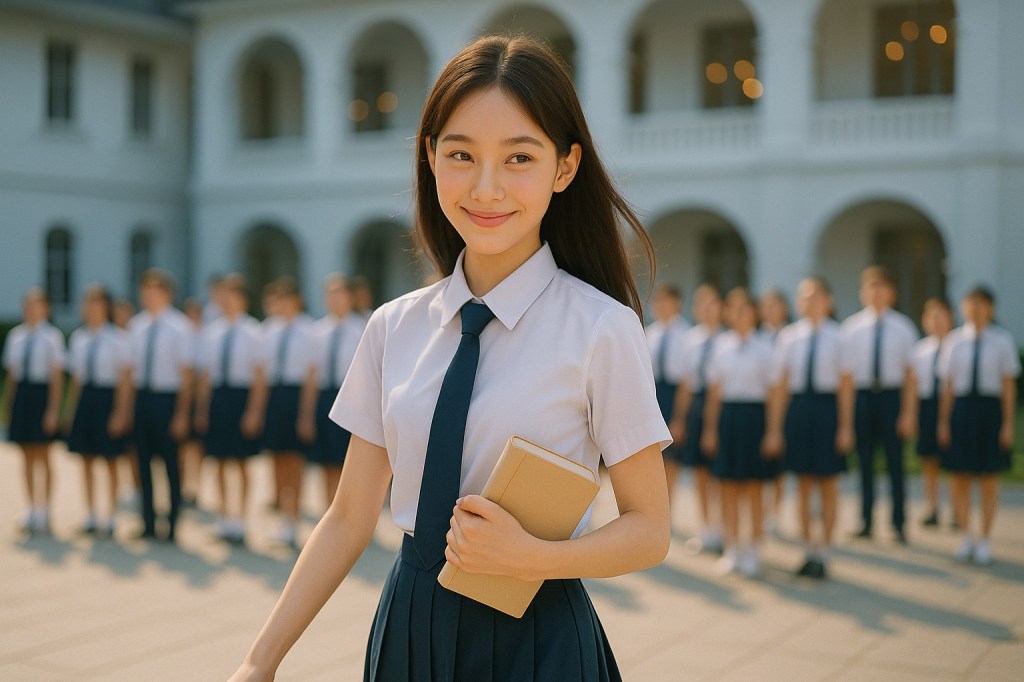
Diversity as a Debiasing Tool: Exposing Students to Varied Perspectives
Welcome to the eighth article in our series, Unlocking Unbiased Minds: Strategies for Students, Educators, and Lifelong Learners. In Article 7: Mindfulness and Emotional Intelligence: Building Bias-Resistant Habits in Kids (here), we explored practices to handle emotional biases through self-awareness.
Now, we turn to a powerful external strategy: diversity as a tool for debiasing. By exposing students to varied perspectives, we can foster empathy, challenge stereotypes, and reduce cognitive biases like in-group favoritism or confirmation bias that thrive in homogeneous environments.
If you’re new, revisit the cover article for the full context on genius failures and bias mitigation. Here, we’ll delve into why diversity works as a debiasing mechanism, highlight effective programs, and provide practical tips for educators, parents, and students to build empathy and dismantle stereotypes. Drawing from educational research and psychology, this guide shows how inclusive experiences can create more open-minded learners, preventing the echo chambers that lead to intellectual stagnation as discussed in earlier articles.
Why Diversity Serves as a Debiasing Tool
Diversity—encompassing cultural, racial, gender, socioeconomic, and experiential differences—acts as a natural counter to biases by broadening worldviews and promoting empathy. When students interact with varied perspectives, they confront their assumptions, reducing implicit biases that form from limited exposure.
This “perspective-taking” disrupts stereotypes, as empathy involves understanding others’ feelings and viewpoints, leading to more equitable decisions. In education, diverse environments challenge in-group biases, where familiarity breeds favoritism, and foster critical thinking by highlighting multiple truths.
Studies show that diversity education reduces prejudice, especially when started young, by building inclusive communities. For instance, APA’s benefits of diversity education emphasizes helping students recognize biases through exposure. This ties to our series: Just as hives outpace legacies with agility, diverse classrooms prevent “averaging out” by injecting productive tensions and empathy. Without it, stereotypes harden, limiting growth—but varied perspectives equip students for a global world.
Looking out of the circle for something New
Yes, opening up to ideas “out of the circle” is a powerful antidote to the echo chambers and groupthink we’ve been discussing throughout this series. By inviting teachers, curricula, and perspectives from other countries into local education systems, we’re essentially injecting that “productive tension” we talked about earlier: fresh viewpoints that challenge biases, broaden horizons, and prevent the kind of intellectual stagnation that averages out genius in closed groups. This internationalization isn’t just a trend; it’s a strategic response to global challenges like teacher shortages, cultural diversity in classrooms, and the need for students to thrive in an interconnected world.
As of 2025, many countries are actively expanding these efforts, with programs that import educators from abroad to enrich local systems. Let’s break this down, drawing on recent examples and benefits, and how it ties into debiasing and empathy-building from our previous articles.
The Growing Trend of International Teacher Mobility
Education systems worldwide are increasingly “fanning out,” by recruiting teachers/lecturers from other countries through exchange programs, migration incentives, and partnerships. This isn’t new—initiatives like the Fulbright Teacher Exchanges have existed for decades—but post-pandemic shortages and a push for global competencies have accelerated it in 2025. For instance, countries facing acute teacher deficits (e.g., in STEM or languages) are turning to international talent to fill gaps while infusing diverse teaching styles. According to a 2025 analysis, global teacher mobility has risen 15-20% since 2023, driven by programs that emphasize cultural exchange over mere labor import. This helps systems adapt to multicultural student bodies, where immigrants and refugees make up growing portions of classrooms—up to 20-30% in urban areas of countries like Canada and Australia.
The benefits are multifaceted: It enhances diversity (as we covered in Article 8), reduces biases by exposing students to varied worldviews, and improves outcomes like critical thinking and empathy. When teachers from abroad bring their unique pedagogies—say, inquiry-based learning from Finland or collaborative methods from Japan—they disrupt local echo chambers, encouraging students (and even native teachers) to question assumptions and embrace hybrid approaches. This aligns with our discussions on mitigating confirmation bias (Article 5) and fostering productive tensions to avoid groupthink.
Key Benefits of Importing Teachers and Ideas from Abroad
- Enhancing Cultural Diversity and Reducing Biases: Foreign teachers introduce perspectives that challenge stereotypes. For example, in diverse classrooms, they model cross-cultural empathy, helping students unlearn implicit biases through real interactions. A 2025 study on Moroccan teachers in international exchanges found that participants developed stronger intercultural competencies, which they passed on to students, reducing prejudice and improving classroom inclusivity. This echoes our point on diversity as a debiasing tool—exposure to “outsiders” breaks in-group favoritism and promotes a global mindset.
- Addressing Teacher Shortages and Boosting Quality: Many systems import educators to fill vacancies while gaining innovative practices. Benefits include tailored professional development for local staff and better student engagement. In the US, programs like Educational Partners International (EPI) place international teachers in classrooms, leading to enriched cultural exchanges and improved instructional strategies. Teachers from abroad often bring expertise in areas like multilingual education, benefiting diverse student populations.
- Fostering Innovation and Global Competencies: Imported ideas—via curricula adaptations or teacher training—spark creativity. Students gain skills for a global economy, such as adaptability and cross-cultural communication. A 2025 OECD-aligned report notes that internationalization strategies, like those in Canada, enhance innovation by integrating global perspectives into local teaching. This prevents the “averaging out” we discussed, turning education into a hive-like ecosystem of shared knowledge.
- Economic and Social Gains: Countries benefit from soft diplomacy—exchanges build long-term ties. For teachers, perks like competitive salaries and professional growth attract talent, while host systems gain from diverse role models that inspire students.
Real-World Examples in 2025
Several countries are leading this shift, with programs that import teachers and ideas:
- United States: Facing shortages, the US sponsors international educators via J-1 and H-1B visas. EPI and similar organizations place teachers from countries like the Philippines, Jamaica, and Spain in K-12 schools, emphasizing cultural exchange. A 2025 blog highlights how this brings global perspectives, reducing biases through community engagement and diverse teaching methods. Benefits include professional development for local staff and enriched multiculturalism for students.
- Canada: The Ottawa-Carleton District School Board (OCDSB) partners with OCENET for international educator training and exchanges, importing ideas through programs like the International Certificate Program (ICP), which integrates global coursework. As of 2025, this fosters diversity, reduces biases via intercultural exposure, and improves outcomes like global citizenship skills. Provinces like Ontario host nearly half of Canada’s international students, blending imported teaching expertise.
- Australia: States like New South Wales and Victoria sponsor skilled teacher migration in 2025, targeting educators from the UK, India, and South Africa for subjects like STEM. Programs offer pathways to residency, with benefits including enhanced diversity in classrooms and bias reduction through cross-cultural professional development.
- Hong Kong: In ethnically diverse schools, global education curricula import ideas from abroad to promote ethnic diversity. A 2025 study shows teachers interpreting these to challenge stereotypes, fostering empathy among students from varied backgrounds.
- Morocco and Erasmus+ Programs: Morocco’s teacher exchanges (e.g., with Europe) develop intercultural competencies, benefiting diverse classrooms. The EU’s Erasmus+ Global Teacher Education initiative in countries like Iceland and Israel supports importing educators for multicultural student groups, emphasizing bias reduction through inclusion.
These examples show how importing talent addresses immediate needs while long-term debiasing the system—students learn to accept “out-of-circle” ideas naturally.
How This Fits Our Broader Conversation
This trend directly combats the closed “genius rooms” we started with: By fanning out to international influences, education systems avoid self-reinforcing loops, much like legacies adopting hive agility. It builds on our diversity article (Article 8) by turning exposure into empathy, and mitigation tools (Article 5) like reframing become easier in diverse settings. Challenges remain—visa issues, cultural adaptation—but the payoffs in reduced biases and enriched learning are clear.
Diversity, whether in society, education, or the workplace, refers to the presence of differences among people in areas like culture, ethnicity, gender, socioeconomic background, abilities, and perspectives. While it can enrich environments by fostering innovation and inclusivity, it also presents challenges that require careful management. Below, I’ll outline the key pros and cons based on a review of various sources, drawing from business, educational, and societal contexts. These insights highlight how diversity can drive positive outcomes but may lead to friction if not addressed proactively. Note that outcomes often depend on implementation—effective diversity initiatives can amplify benefits while mitigating drawbacks.
Pros of Diversity
Diversity brings a range of viewpoints and experiences that can enhance creativity, problem-solving, and overall resilience in groups. Here’s a breakdown of common advantages:
| Benefit | Description | Examples/Contexts |
|---|---|---|
| Increased Innovation and Creativity | Diverse teams draw from varied backgrounds to generate unique ideas, leading to more inventive solutions. | In workplaces, multicultural teams often outperform homogeneous ones in brainstorming; in education, diverse classrooms spark broader discussions on topics like history or science. |
| Improved Performance and Productivity | Exposure to different perspectives can boost team efficiency and adaptability, as members learn from each other. | Companies with diverse workforces report higher productivity; schools with socioeconomic diversity see enhanced collaborative learning. |
| Personal and Professional Growth | Interacting with diverse individuals promotes empathy, cultural awareness, and skill development. | In society, diversity encourages tolerance; in education, it prepares students for global citizenship by building emotional intelligence. |
| Broader Talent Pool and Inclusivity | Diversity expands access to skills and ideas from underrepresented groups, fostering a sense of belonging. | Workplaces attract top talent; diverse societies benefit from richer cultural exchanges, like festivals or cuisine. |
| Enhanced Company/School Culture | A diverse environment can improve morale and satisfaction by valuing all contributions. | In education, it promotes fairness; in workplaces, it leads to better retention and engagement. |
These benefits are often maximized in supportive settings, such as through diversity training or inclusive policies, which help turn potential differences into strengths.
Problems and Challenges of Diversity
While diversity offers advantages, it can also create tensions if not managed well. Common issues include communication barriers, conflicts, and systemic inequalities that exacerbate divisions.
| Challenge | Description | Examples/Contexts |
|---|---|---|
| Communication and Cultural Barriers | Differences in language, norms, or values can lead to misunderstandings or reluctance to speak up. | In workplaces, multicultural teams may face integration issues; in education, diverse classrooms can experience miscommunication during group work. |
| Resistance to Change and Prejudice | Some individuals may resist diversity initiatives, leading to bias, discrimination, or resentment. | In society, this can fuel social fragmentation; training programs sometimes fail to address deep-rooted issues, causing backlash. |
| Reduced Morale and Productivity Losses | Negative attitudes or conflicts from unmanaged diversity can harm relationships and efficiency. | Workplaces may see lower morale; in schools, stereotypes can isolate students, impacting focus and collaboration. |
| Systemic Inequities and Access Barriers | Diversity efforts may not address underlying disadvantages, perpetuating cycles of exclusion for marginalized groups. | Socioeconomic diversity in education often highlights gaps, where underprivileged students face poorer outcomes; workplaces may overlook structural biases. |
| Potential for Fragmentation or Isolation | Overemphasizing differences without building unity can lead to divisions or feelings of alienation. | In society, this might increase polarization; in diverse teams, forced interactions can breed discomfort if not handled sensitively. |
These challenges underscore the need for proactive management, such as through leadership support or inclusive policies, to prevent diversity from becoming a source of division.
In summary, diversity’s pros—such as sparking innovation and growth—often outweigh the cons when actively nurtured, but ignoring problems like miscommunication or prejudice can exacerbate inequalities. Balanced approaches, like diversity training and inclusive cultures, are key to harnessing its full potential across society, education, and workplaces.
Programs That Foster Empathy and Challenge Stereotypes
Effective programs integrate diversity into curricula, using structured activities to expose students to differences. Here are evidence-based examples:
- Anti-Bias Education Frameworks: Programs like NAEYC’s Understanding Anti-Bias Education focus on four core goals: identity construction, diversity appreciation, justice recognition, and activism skills. For young children, this involves diverse books and discussions to challenge stereotypes early.
- Cultural Exchange and Global Programs: Initiatives like Participate Learning’s empathy-building activities include international pen-pal programs or virtual exchanges, exposing students to global perspectives and reducing prejudice. In Singapore, similar MOE-aligned programs promote cross-cultural understanding.
- Community Service and Role-Playing: Programs such as Greater Good Magazine’s school community strategies incorporate service learning, where students volunteer in diverse communities to build empathy through real interactions. Role-playing diverse scenarios challenges stereotypes directly.
- Diverse Literature and Media Integration: Using books from varied authors, as in Hamline University’s capstone on diverse literature, increases cultural understanding and empathy. This reduces bias by humanizing “others.”
- SEL Curricula with Empathy Focus: Programs like those in ScienceDirect’s evaluation of empathy skills teach core empathy through connections to social responsibility.
These programs work because they combine exposure with reflection, as per AchieveCE’s role of education in reducing bias.
Tips to Foster Empathy and Challenge Stereotypes
Here are actionable tips for educators, parents, and students, drawn from best practices:
- Encourage Perspective-Taking Exercises: Have students “walk in others’ shoes” through role-plays or journaling prompts like “How might this feel for someone different?” This builds empathy, as in UN Women’s guide on talking to kids about equality.
- Incorporate Diverse Role Models: Share stories of people who defy stereotypes, inspiring critical thinking. Teen Life’s challenging teenage stereotypes recommends this for adolescents.
- Facilitate Open Discussions on Bias: Create safe spaces to discuss stereotypes, using resources like Learning for Justice’s Speak Up Guide for responding to prejudice.
- Promote Inclusive Classroom Norms: Set rules for respectful dialogue and diverse grouping to avoid cliques, per TW Recruitment’s preventing stereotyping tips.
- Use Media and Literature Critically: Analyze books or films for stereotypes, encouraging questions like “Is this fair?” Overcoming Obstacles’ avoiding stereotypes lesson provides exercises.
- Encourage Self-Reflection on Biases: Activities like index card stereotype identification help students recognize their own biases.
For parents: Model diversity at home through multicultural meals or books. Educators: Integrate into curricula, tracking progress with reflections.
Real-Life Activities and Examples
- Activity: Stereotype Busting Workshop: Students share labels on cards, discuss as a group to identify stereotypes, per CTL’s reducing stereotype threat.
- Example: Values Affirmation: Reflections on personal values reduce stereotype threat, as in Journal of Adventist Education’s guide.
- Community Engagement: Volunteer programs expose varied lives, fostering empathy as in Positive Action’s inclusivity benefits.
These build on Empathable’s cultural diversity blog, emphasizing empathy’s role.
How Diversity Empowers Geniuses and Breaks Echo Chambers
Being a genius often comes with the risk of intellectual isolation—brilliant minds can trap themselves in echo chambers, recycling similar ideas and amplifying biases like overconfidence or confirmation, leading to failures despite high IQ. Diversity acts as a powerful antidote: By introducing varied perspectives, it injects “productive tensions” that challenge assumptions, foster empathy, and spark innovation.
For geniuses, this means opening the “room” to outsiders—much like hives disrupting legacy rigidity—preventing stagnation and averaging out. Pros include enhanced creativity and growth, while managed challenges like initial friction build resilience. Ultimately, diversity doesn’t diminish genius; it elevates it, turning solitary brilliance into collaborative breakthroughs.
Conclusion: From Exposure to Empowered Minds
Diversity debiasing equips students with empathy to challenge stereotypes, creating inclusive thinkers ready for diverse worlds.
Next: Article 9: Lifelong Habits: Reinforcing Bias Awareness Beyond the Classroom.
Implement these—join our diverse Math Tutorials.

 Bukit Timah Tutor Secondary Mathematics